Charging & range
String together 10-to-80 percent charge stops
The fastest road trip is not the one with the fewest stops, it is the one that keeps the battery in its fast-charging window. A DC charge curve is steep down low and crawls up high, so two short stops usually beat one long one.
Work the charge curve
- Arrive low, leave at 80 Charging is quickest when you plug in low, often 5 to 10 percent when you are towing between far-apart chargers, and pull off near 80. Above 80 the car tapers hard to protect the pack, so that last 20 percent can take as long as the first 60. Skip it unless you need every mile to reach the next stop.
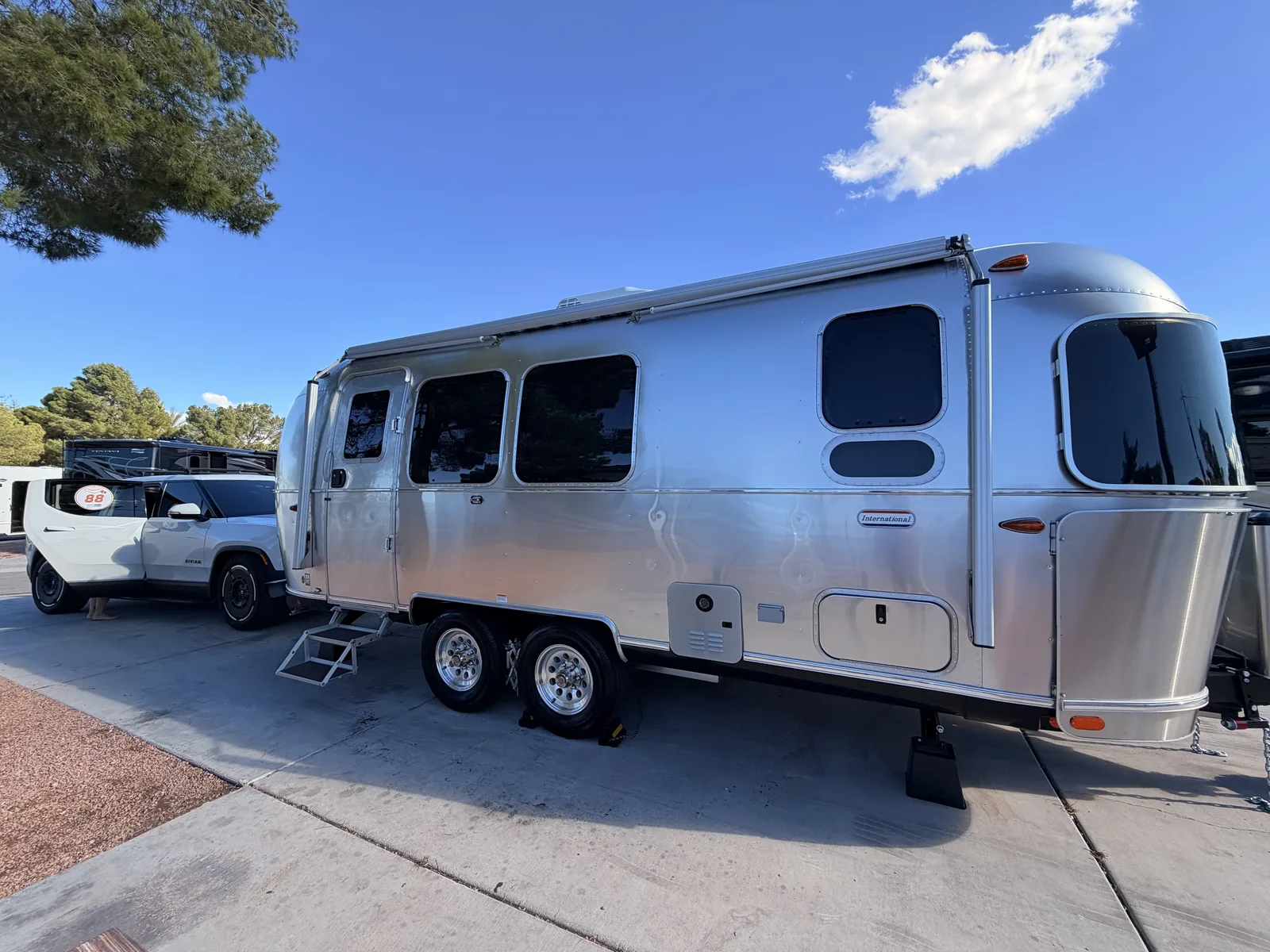
- Get comfortable arriving low Towing, you will often roll in at 5 to 10 percent, not 20. Charger spacing across much of the US is wide enough that a loaded trailer simply cannot reach the next stop with a fat cushion, so the thin leg is the leg. Plan it deliberately: confirm the charger is live on PlugShare before you commit, know your bail-out option, and watch the live range estimate against the climb ahead, not the dash percentage.
Pick the right stops
- Favor pull-through and end stalls With a trailer you want a charger you can pull straight through or an end stall you can angle into without unhitching. Scout it on PlugShare before you commit, and have a backup charger in range in case a stall is down or blocked.
Helps to have on board
Product links are Amazon affiliate links, they help fund the trip at no extra cost to you.
Use this tip