Policy · Off-grid power · August 2026
Washington froze the inverter market and called it security
On July 28, 2026 the FCC put foreign-made connected inverters on its Covered List. It grandfathered every one already installed, mandated no security properties at all, and blocked the next generation of the hardware. We run two of these. Here is what the order does, and what it costs the person buying.
We run two inverters.
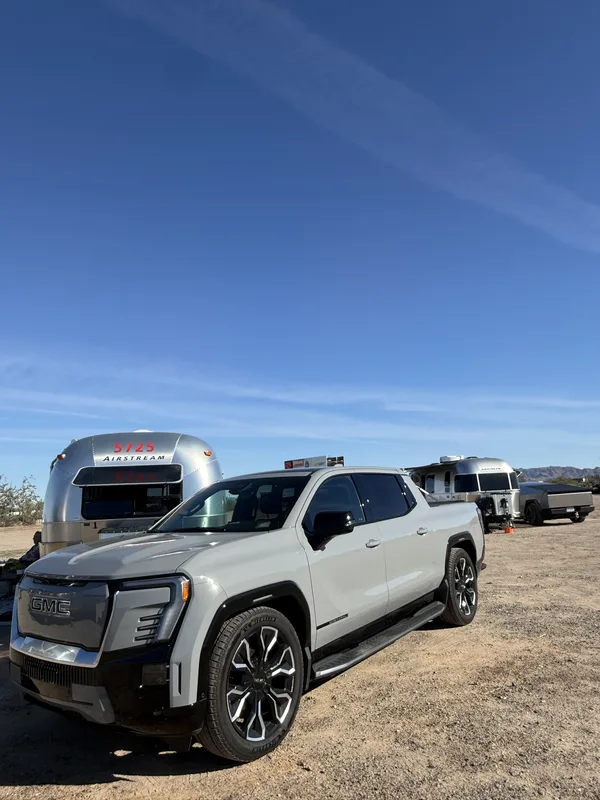
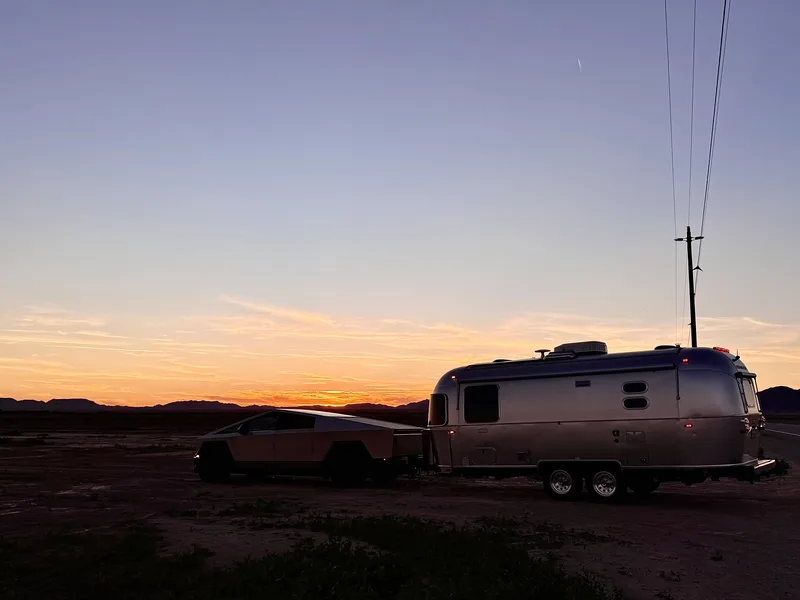
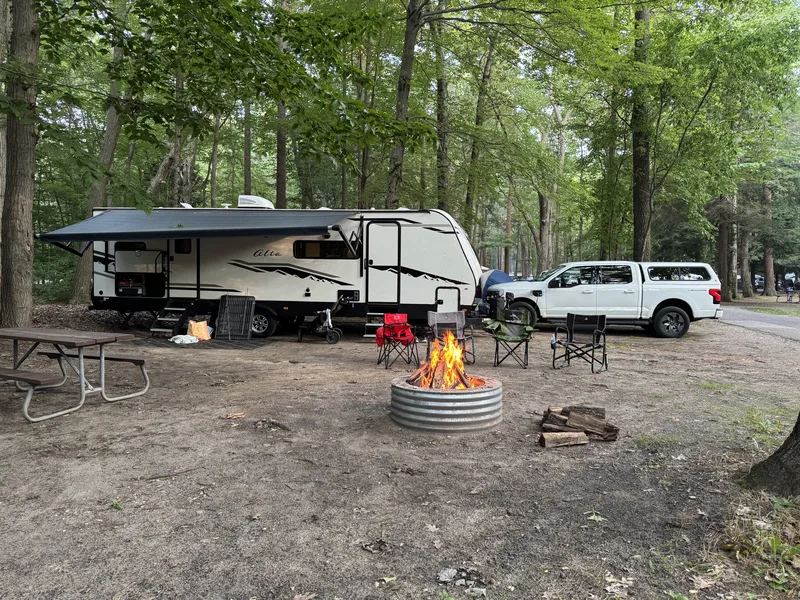
One lives in the 23-foot Airstream, fed by about 9 kWh of Bluetti batteries. We are not off-grid purists. Maybe 20 to 30 percent of our nights are boondocking and the rest are on a pedestal at a campground. But on those desert nights with no hookup for forty miles, that inverter is the entire grid: the Starlink dish, the fan, the A/C keeping the dog comfortable while we walk into town for dinner.
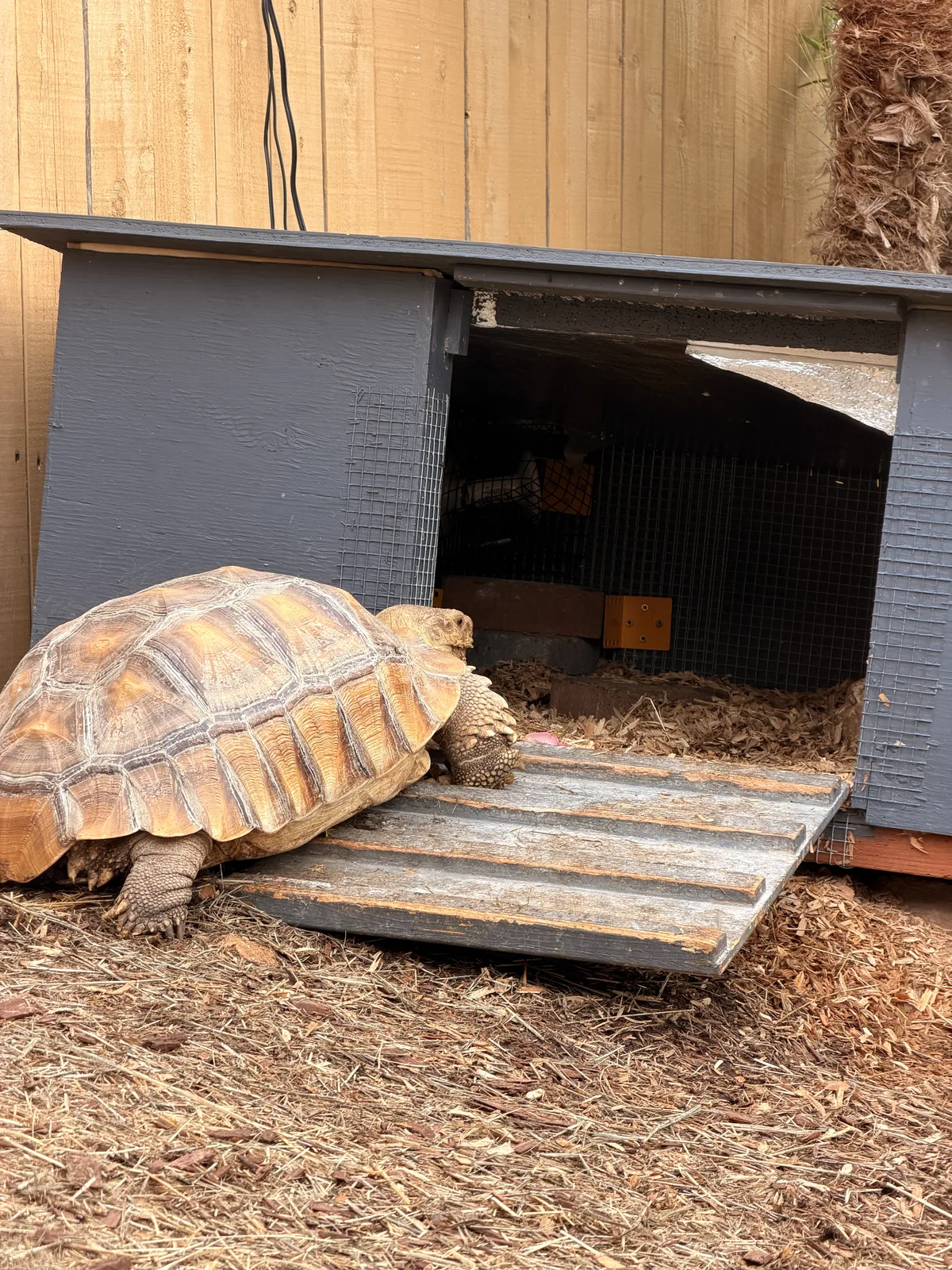
The other one is at the house, running a small off-grid solar array that keeps the tortoise's heat on, the security system up, and the fountain circulating. That one matters more, and here is why: we are gone. A lot. When the truck is 1,500 miles east on I-70, the only thing standing between a cold snap and a dead reptile is a battery, a heater, and a phone that tells me the battery is fine.
That phone connection is not a gadget. It is not the premium tier. The radio inside the inverter is the part that tells you something failed while you were somewhere else, which is the only time it matters.
On July 28, 2026, the FCC decided that radio is a national security problem and took the next generation of the hardware off the American market.

The order
What the FCC actually did
The FCC's Public Safety and Homeland Security Bureau added foreign-produced connected power inverters and advanced robotic devices to its Covered List, effective immediately, following national security determinations issued the day before by a White House interagency body. Covered List equipment cannot get an FCC authorization. No authorization, no legal import, marketing, or sale.
- Jul 28 2026 Covered List addition, effective immediately
- 0 recalled every already-authorized model stays legal to sell, install, and use
- Jan 1 2029 waiver floor for security patches on existing gear
- Jan 1 2028 deadline to petition for Conditional Approval
The details that matter to anyone who owns one, from the Public Notice and the FCC's FAQ:
-
It is forward-looking
Models already holding an FCC grant on July 28 can still be sold, installed, and used. Nobody is coming for your existing system.
-
The definition is aimed at exactly our gear
A device that converts DC to AC or AC to DC, whether micro, string, hybrid, or battery-based, and contains components for remote communication, control, sensing, or monitoring over Wi-Fi, cellular, or Bluetooth. A dumb inverter with no radio is out. Every app-connected inverter and inverter/charger in every modern rig is in.
-
“Foreign-produced” does not mean Chinese
It means the product flunks the Buy American domestic-content test, roughly 65% US component cost plus US manufacture. A US brand assembling in Vietnam is covered. The FCC says the producer’s nationality is irrelevant.
-
Security patches are on a countdown clock
A separate waiver lets already-authorized devices keep receiving firmware and software updates, including vulnerability fixes, through at least January 1, 2029. Hardware revisions get nothing.
-
The exemption is not built for small vendors
Manufacturers can petition the Department of War or DHS for Conditional Approval by January 1, 2028. That filing wants full beneficial-ownership disclosure, a component-level bill of materials with countries of origin, supply-chain concentration data, and a time-bound plan to build factories in the United States, with quarterly progress reports. There is no stated review timeline.
The patch clock comes from a separate waiver; the escape hatch is spelled out in the Conditional Approval guidance.
This is the fourth swing of the same bat. Drones went on the list in December 2025. Consumer routers in March 2026. Now inverters, and read this next one twice: any ground-mobile connected device over 4.4 pounds with a sensor and a 200 kbps link. Your robot vacuum. Your robot mower. Every firm tracking this (Morgan Lewis, Wiley, Covington) says the same thing: the Covered List has stopped being a list of bad actors and become a category-wide market-access lever for industrial policy.

The people in the blast radius
Who actually checks an inverter from far away
The FCC wrote this order about the bulk power grid, then wrote the definition wide enough to cover a battery box in a horse trailer.
The owners caught by it are not hobbyists watching a dashboard for fun. Remote monitoring is the entire product for a long list of people:
-
Ranchers
Solar-powered livestock watering is standard practice across the West, and in the northern plains those systems carry tank heaters through the winter. An inverter that quits in January does not produce an inconvenience. It produces a frozen trough and thirty head with no water, on a pasture forty minutes from the house.
-
Anyone with a brooder or a barn
Chicks under a heat lamp, a greenhouse exhaust fan in July, a milk-tank chiller. Every one of them is a load where the failure clock runs in hours and the owner is somewhere else.
-
Remote cabins and seasonal properties
Freeze protection, a sump pump, a well pump. The whole reason to put a radio in that inverter is that the property sits empty eleven months of the year.
-
Rural clinics and home medical setups
Vaccine and insulin refrigeration on battery backup. Oxygen concentrators and CPAP machines in places where the utility drops out for two days after a storm.
-
Everybody inside a public safety power shutoff
California hands out multi-day planned outages every fire season, and a lot of households now ride them out on a battery and an inverter. Remote state of charge is how you decide whether to drive home.
-
And yes, us
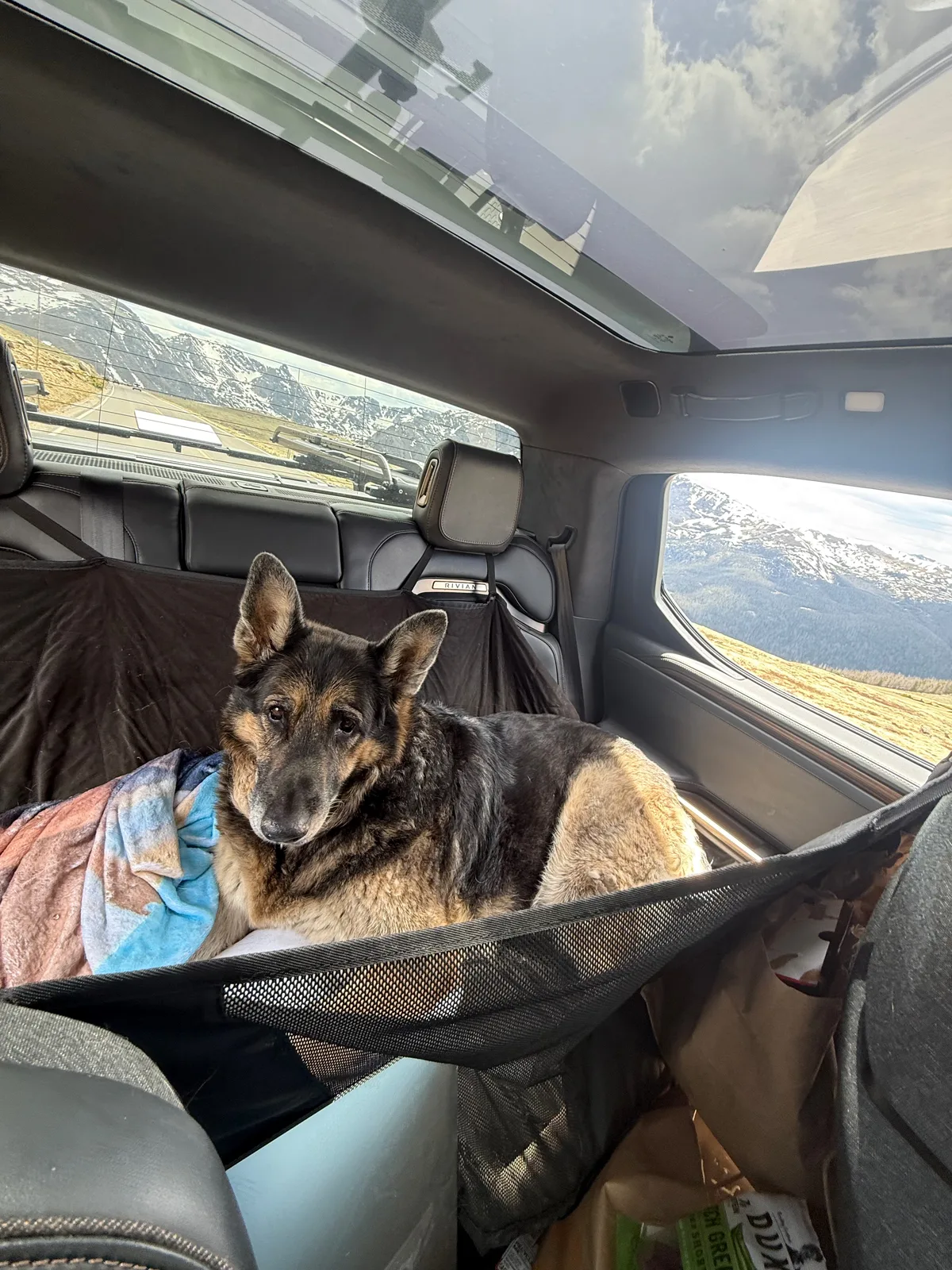
The dog in the Airstream while we hike. The tortoise at the house while we are in Kansas. I want an independent alarm on both of those loads, and I want the inverter to tell me what the battery is doing, from anywhere, without asking permission.
Every one of those people got the same thing from this order: a frozen catalog and a smaller set of choices, in exchange for zero improvement to the risk the order was written about.
The bill
Why it lands hardest on mobile and off-grid
Utility-scale solar has lobbyists and a warehouse full of certified inventory. Canary Media reports the near-term hit there is modest.
Mobile and off-grid does not work that way. Short product cycles, small vendors, and a supply chain that is almost entirely offshore: Bluetti, Victron, EG4, Growatt, Renogy, Redarc, the whole 12V and 48V ecosystem. There is no domestic Bluetti. There is no US-built 3000W 12V inverter/charger waiting to take its place.
Here is what a freeze on new models buys the American consumer:
The gear stops improving
Not today. In eighteen months, when the revision with lower idle draw and a real local API needs a fresh FCC grant and cannot get one. We inherit a catalog frozen at its summer-2026 state.
Prices go up
A grandfathered SKU with no replacement pipeline has pricing power. Watch the used market on discontinued inverter/chargers.
Security gets worse
The only thing letting a vendor patch a hole in your inverter is a temporary waiver that expires in 2029, on a device the government has formally branded a national security risk. If the worry is unpatched connected power electronics, this policy points the wrong way.
Competition dies
A full bill of materials, ownership disclosure, and a US factory plan is a filing Enphase can absorb. It is not one a 40-person company making excellent DC-DC chargers for overland rigs survives. Fewer vendors and higher prices, for us, not for them.
The comparison
Meanwhile, everywhere else
Germany has more than 1.3 million registered plug-in solar systems and an estimated three to four million actually installed. They got there by removing friction: zero VAT on residential PV, an 800W limit with one-step registration, and a 2024 change to the Civil Code giving renters and condo owners a legal right to install plug-in solar over a landlord's objection. In December 2025 the VDE published the world's first product standard for plug-in solar devices. Not a ban. A standard, with test requirements and a registry. The EU regulates the security properties of connected products rather than the passport of the factory.
Here, about 30 states have moved to legalize plug-in solar, and the federal government responded by choking off the one component every system needs. We legalized the use case and banned the next generation of hardware. A renter in Munich can buy a certified kit at a hardware store and hang it on the balcony rail. An American cannot buy next year's inverter.
Steelman
The threat is real. This is not the fix.
In May 2025 Reuters reported that US experts tearing down grid equipment found undocumented communication devices, including cellular radios, inside some Chinese-made inverters and batteries, with one incident of inverters being disabled remotely from China. Nobody sane wants a foreign state holding a kill switch on the grid.
Now look at what this order does about that:
- Nothing about the millions of covered inverters already installed and phoning home today. Grandfathering is the entire design. If the hardware in the field is the threat, the order does not touch the threat.
- It uses a cost-accounting test as a proxy for trustworthiness. Same silicon, same closed firmware, same mandatory cloud, and it passes if enough of the cost lands stateside.
- It mandates zero security properties. No software bill of materials. No signed firmware. No radio disclosure. No requirement that a device work with the cloud unplugged. A domestically produced inverter with a hidden modem in it is perfectly legal.
- It came with no carve-out for consumer or mobile equipment, despite a determination written about the bulk power grid. Our Airstream never touches a utility interconnection and is regulated identically to a 4 MW central inverter.
If the goal were security, the tools were sitting right there: mandate disclosed radios and a published SBOM, require signed firmware and coordinated disclosure, require full local control with the cloud unreachable. Those rules would fix the installed base, which is the actual risk, instead of freezing a catalog.
What the order does fix is a market-share problem for a handful of large domestic manufacturers. The bill for that goes to the rancher, the cabin owner, and the guy with a battery box and a tortoise.
Practical
What to do about it
Never let an app be the only thing between an animal and heat
Run an independent cellular temperature alarm with its own battery and its own SIM, in the trailer and at the house. Set the thermostat to fail toward safe. Connectivity is a convenience layer, not a life-safety layer. That was true before the FCC and it is true now.
Check grant dates before you buy
Look the model up in the FCC's equipment authorization database. A grant dated before July 28, 2026 is grandfathered.
Buy the spare
If a soon-to-be-discontinued inverter/charger is the heart of your system, a known-good spare is cheap insurance against a market with no replacements.
Weight local control heavily
Bluetooth or Ethernet-local dashboards, open Modbus or MQTT, documented behavior when the cloud is unreachable. That was already the right engineering call. Now it is the policy-proof one too.
Say something
A carve-out for non-interconnected mobile and residential equipment is narrow, obvious, and entirely achievable. It will not happen if the only people in the room are utilities and manufacturers.
The bottom line
I do not want Beijing's finger on the American grid. I also do not want to live in a country where the best inverter I am ever allowed to buy is whatever cleared an FCC lab bench in the summer of 2026, decided by an agency that never asked one person who actually runs one.
The installed base still phones home. The catalog is frozen. The consumer paid for both.
Public federal documents as of August 5, 2026. Not legal advice. Verify against the FCC's FAQ and fact sheet before making purchasing decisions.