Map loads with JavaScript. Each day page also lists every stop in text below.
Hall of Fame towing segments
The best mi/kWh over 100+ mi, on a 141 kWh pack pulling a 6,000 lb 2-axle Airstream.
Segment-level efficiency between charging stops, ranked. To qualify a segment must be at least 100 mi
(short hops swing too easily on a single climb or stoplight). Each card lists the conditions that drove the result:
wind, elevation, temperature, and the expected total range a 141 kWh usable pack would have shown at
that efficiency.
Winner winner: 110.1 mi at 1.88 mi/kWh towing, the best long leg of the trip. US-89 south to Long Valley Junction, UT-14 over the 9,902 ft Markagunt crest past Navajo Lake, then the long descent through Cedar City and down I-15/UT-17 to La Verkin at 3,757 ft, about 6,100 ft of net drop with a light 8 to 10 mph NNW tailwind on the southbound stretch. 2h20m moving at 47 mph, battery 97 F at the stall. Gravity giveth back what Boulder Mountain never got the chance to take.
Held the Hall-of-Fame crown for three weeks until the Bryce-to-La Verkin descent took it on Day 29. SW tailwind at 25 mph gusting 33 on the I-40 east diagonal, two summits (Tijeras Pass + Clines Corners 7,085 ft), and 3,034 ft of net descent into Tucumcari. The conditions stacked; gravity stacked harder in Utah.
Tailwind persisted into Central time. Net descent of ~460 ft and a 22 mph SW push across the Texas Panhandle held efficiency near 1.45 for the whole evening leg.
Mid-drive north of Bloomington today, Mission lost function in his back legs. He could not stand, paralysis just like that, and we pulled off and got him to a local vet as fast as the rig would go.
X-rays showed a couple of vertebrae pressing on nerves in his back. The vet started him on steroids and pain meds and we got back on the road. He is a little better tonight, not great. We are worried about our buddy.
He is getting older and we knew this trip was a big one for him. Tonight he is curled up next to us at the friends' place near Fox Lake, easing in and out of sleep. Whatever the next few days look like, they are going to be on his pace.
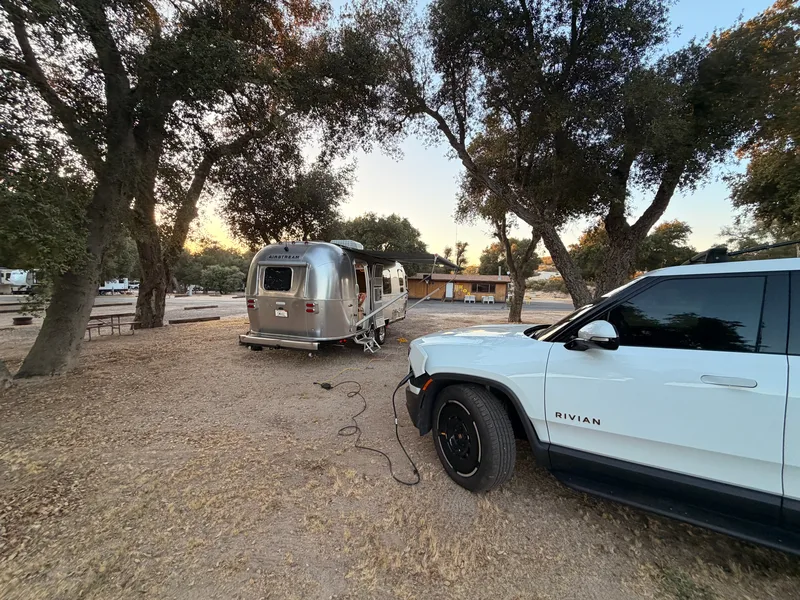
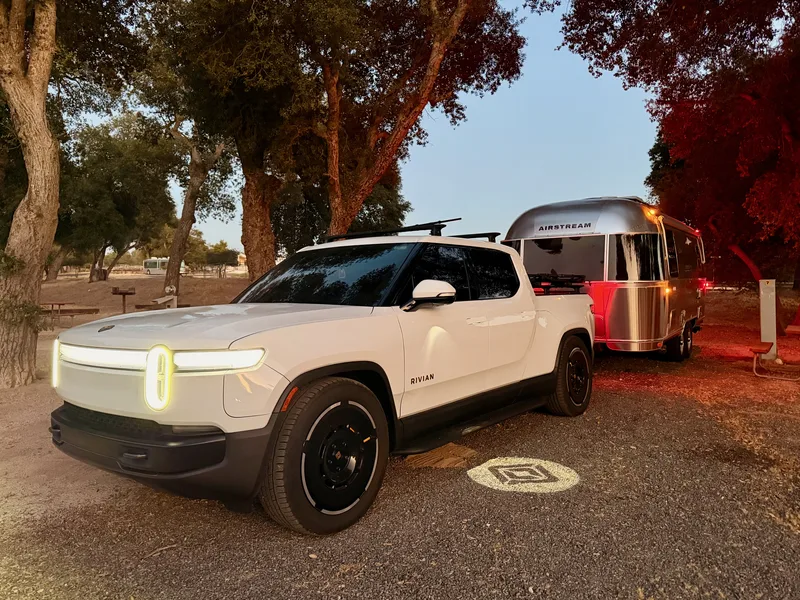
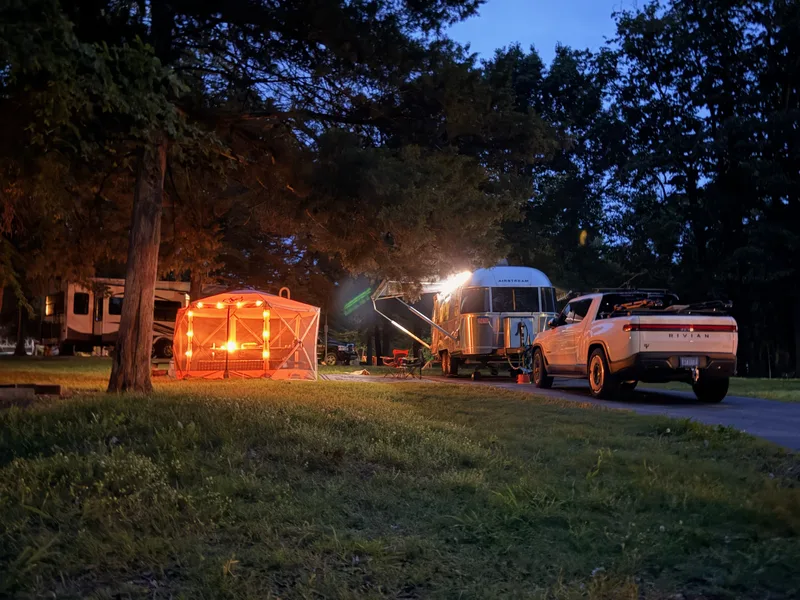
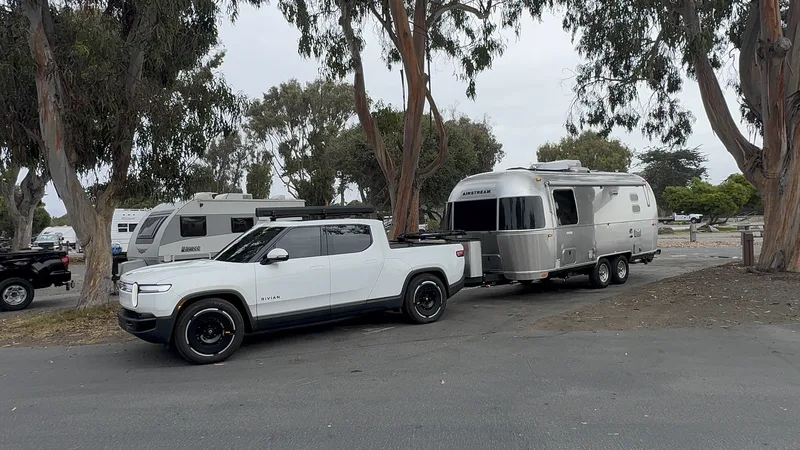
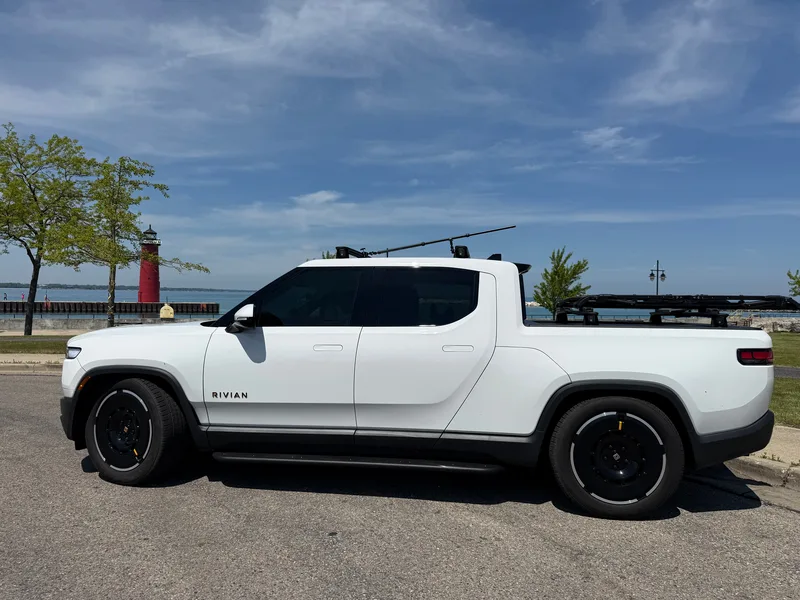
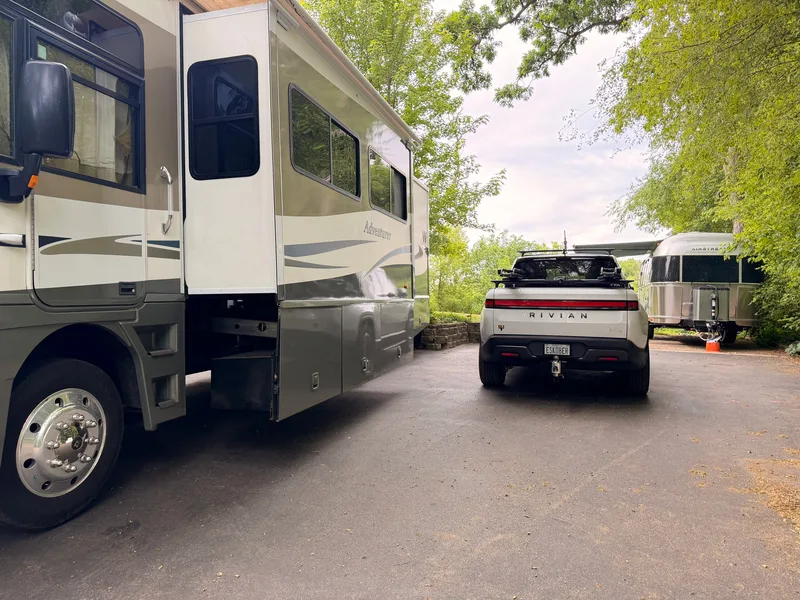
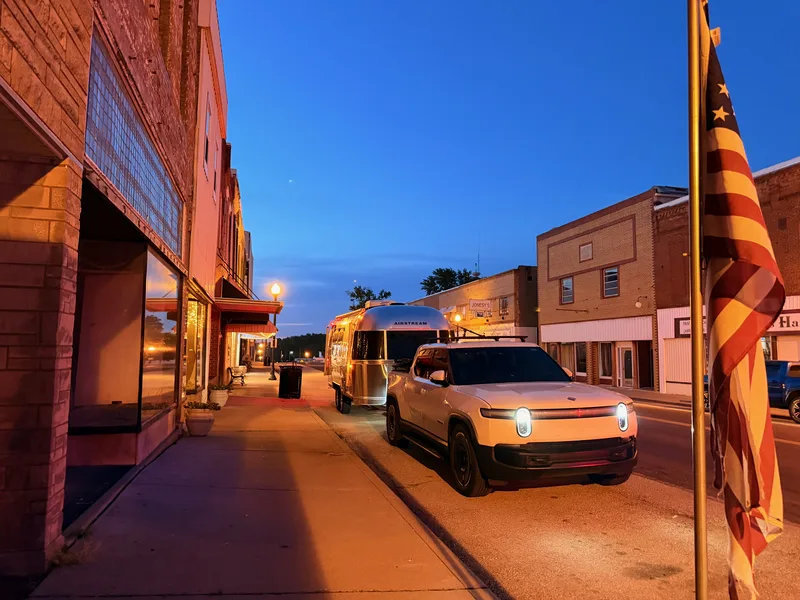
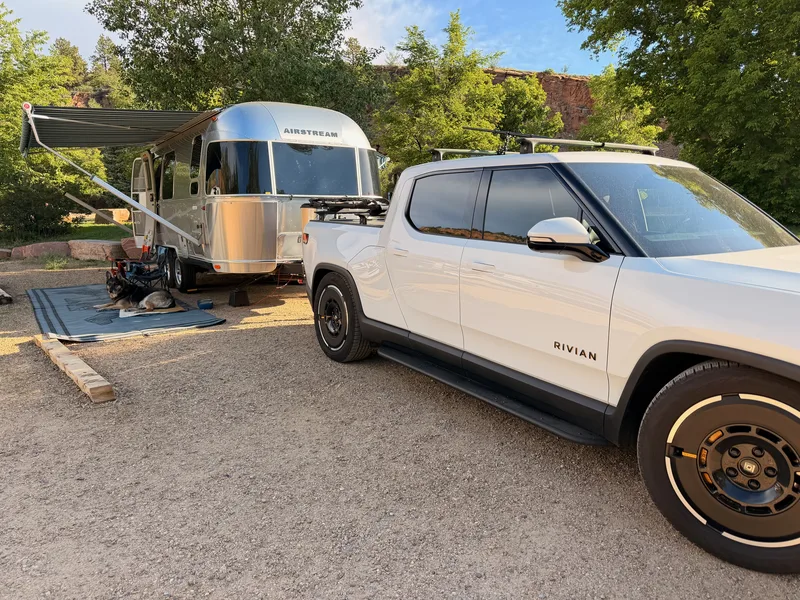
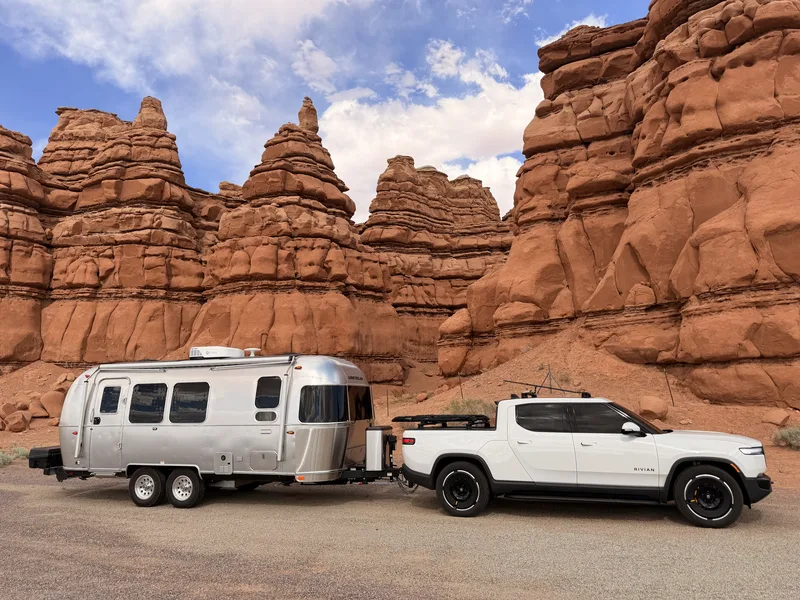
As we settle in at Indian Point with friends and family to relax for the holiday weekend, I took a moment to look back on the trip to this point. Our Rivian R1T has been more than capable of pulling the Airstream, with no reliability issues. It needs so little to just keep going: no DEF fluid, no diesel fuel, and overnight campground charging has been great when it's been available to us.
But it's a lot of time charging. Too much, honestly. If America wants to be competitive on the world stage, we need to more aggressively build infrastructure and improve the charging speed of electric vehicles. Could we use more range? Sure, but honestly it's mostly fine for us. What we really need is faster charging. China is lapping us, and it's not even close.
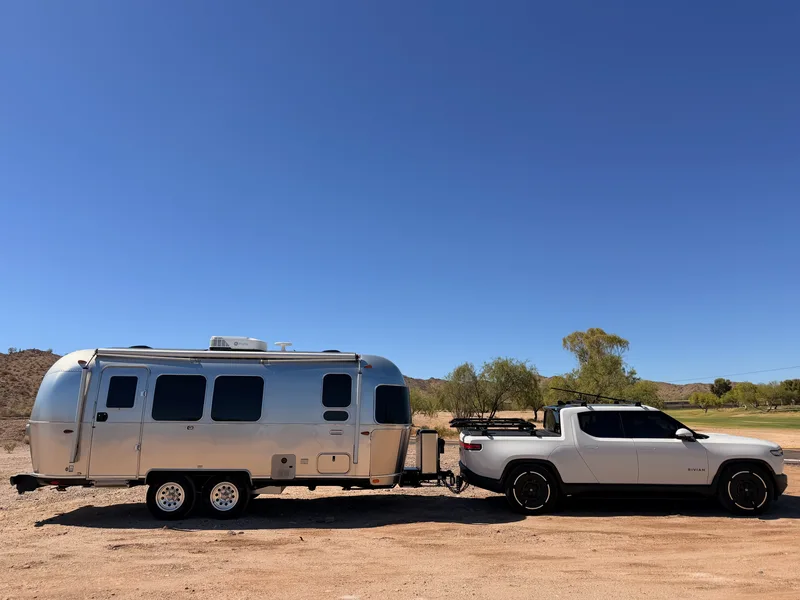
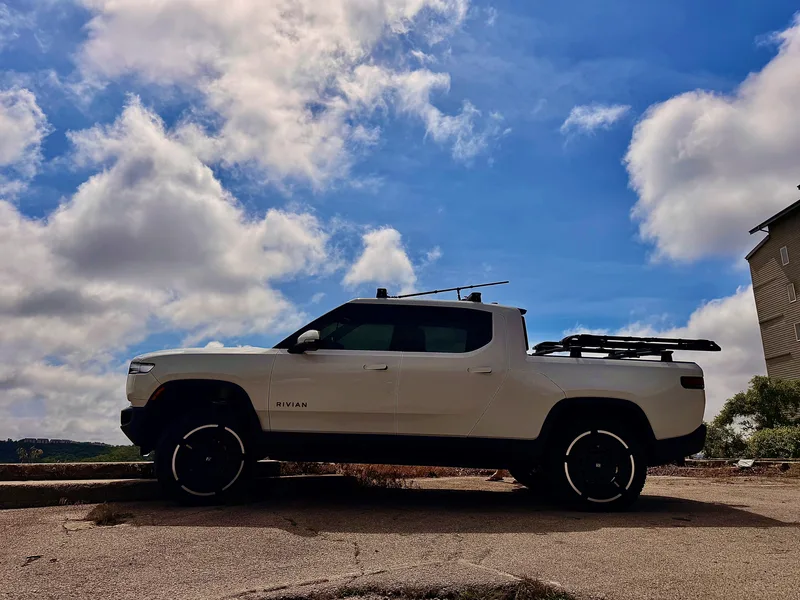
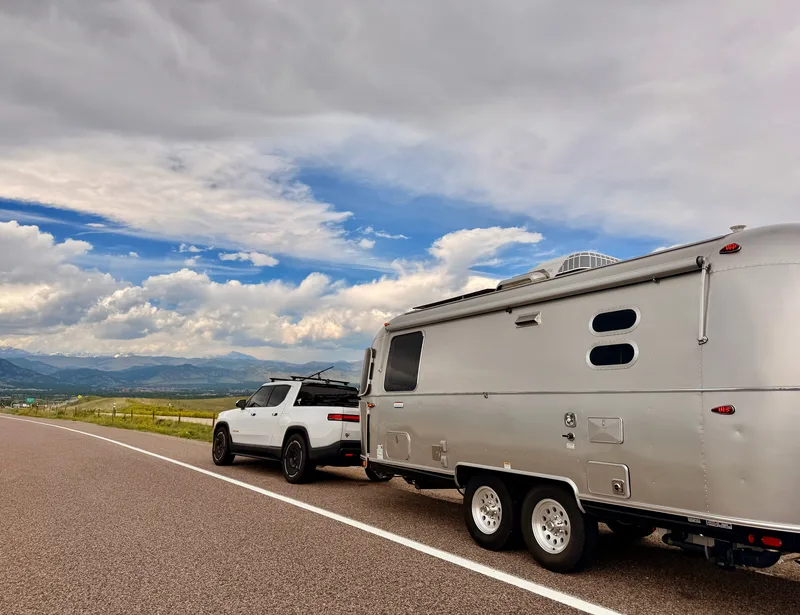
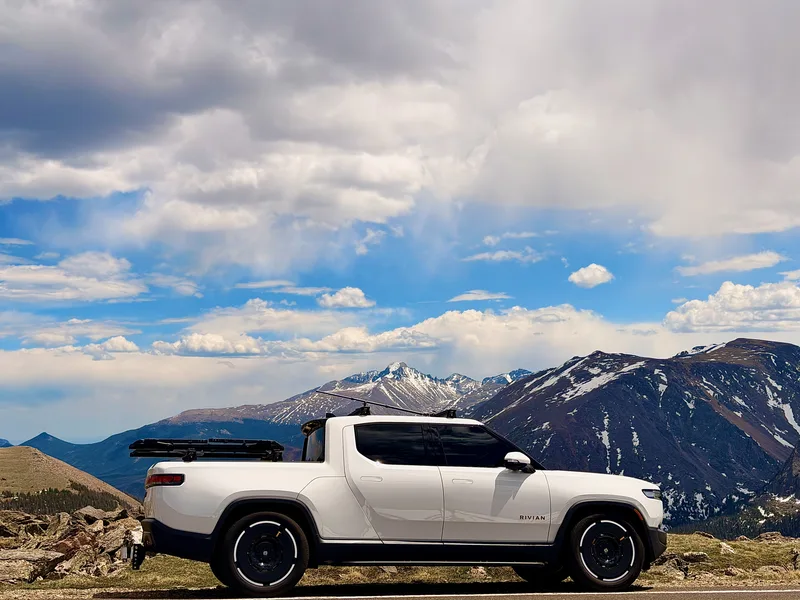
In terms of towing characteristics, the R1T is incredible: plenty of power, great road manners, and the adjustable air suspension is super helpful. For the last two days we have been slightly ahead of schedule on short towing days, and under 150 miles the truck really shines, with its gear tunnels, huge frunk, and power tonneau cover, all while being a small enough form factor (compared to a full-size truck) that it really fits anywhere.
Why this exists
Can an EV tow real weight across the country?
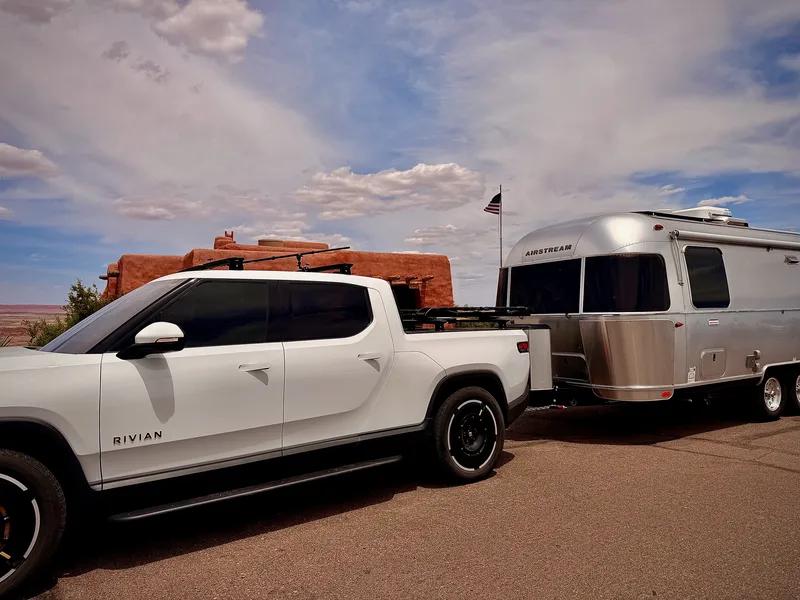
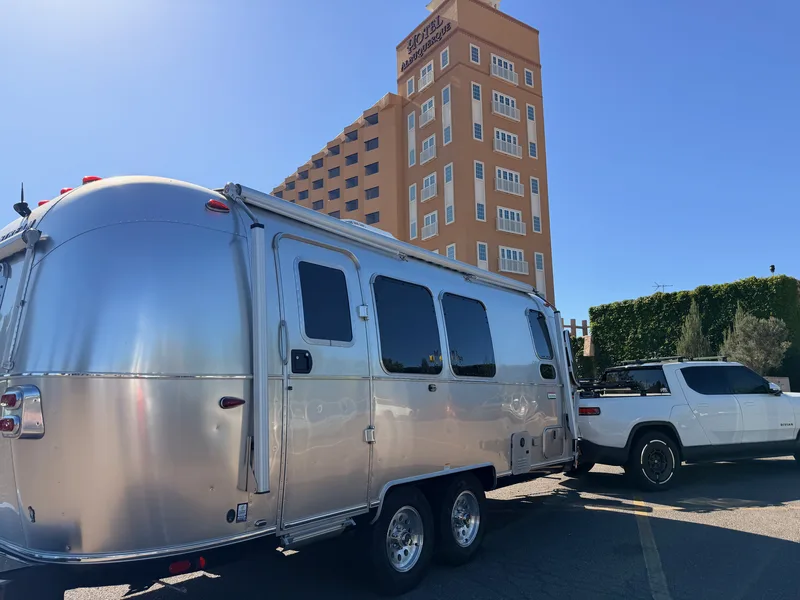
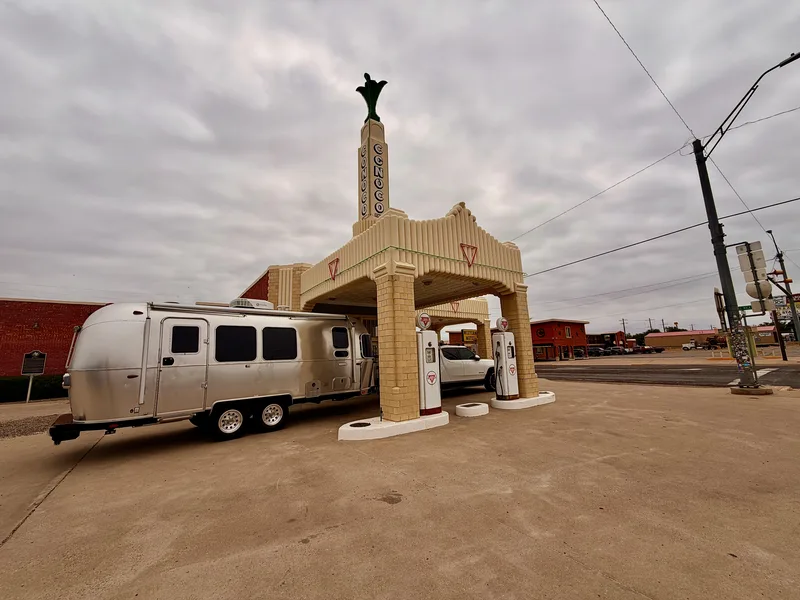
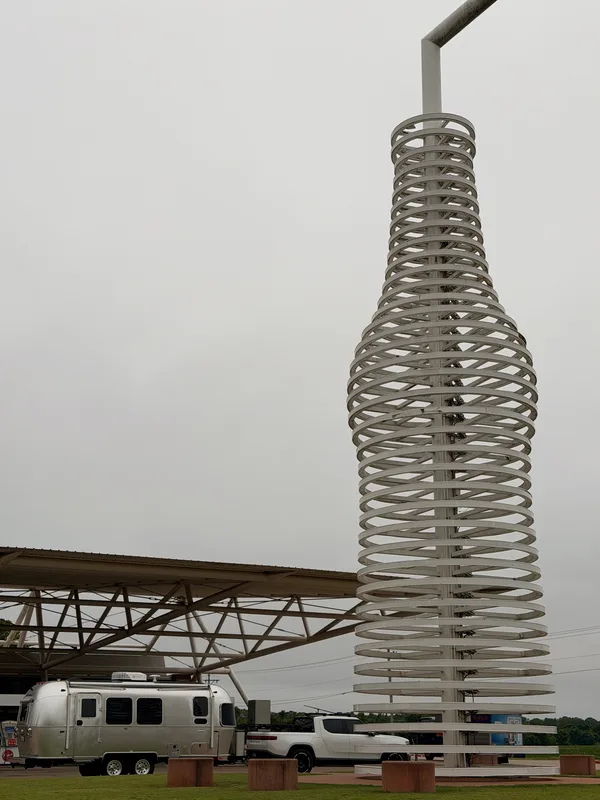
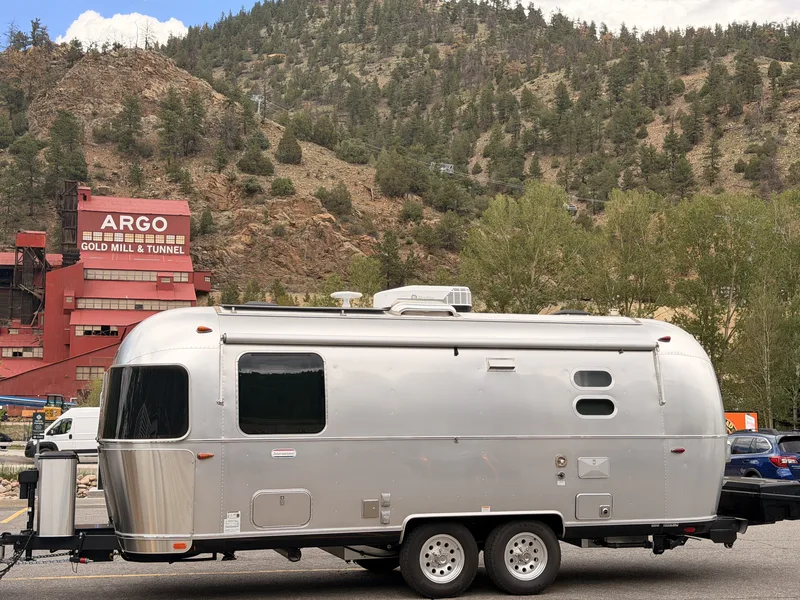
That is the question behind Wattreach. We are taking a Rivian R1T and a
6,000-pound Airstream International over 4,400 miles to see what EV
towing feels like in the real world: the torque, the quiet miles, the
charging stops, the campsites, and the moments worth pulling over for.
The Rivian R1T can do 420 miles on a charge without a trailer. Pull a
6,000-pound aluminum bullet behind it and you're closer to 180. The
country is the same; the planning is not.
We are covering the good, the inconvenient, and the stunningly beautiful
parts of EV towing: how the truck handles grades and wind, how we choose
charge stops where the trailer fits, and what happens when a station
asks us to get creative.
Every day on this trip is documented with the route, the charging plan,
the campground, the field notes, and when we make them, the photographs.
Trip FAQ
Questions about the San Diego to Chicago run
Best and worst towing segments, the charging networks we leaned on, and how the route actually broke down.
What was your best towing efficiency on the San Diego to Chicago run?
Day 5, Albuquerque to Tucumcari: 176.1 miles at 1.88 mi/kWh on 106 kWh, our best 100-plus mile towing segment. It stacked three things in our favor: a 25 mph southwest tailwind gusting to 33, two summits (Tijeras Pass and Clines Corners at 7,085 ft, the trip's high point), and 3,034 ft of net descent into Tucumcari.
What was your worst towing efficiency, and why?
The lowest number of the trip was 0.81 mi/kWh on cold, short around-town hops near St. Louis (Fenton to Collinsville). On the open highway the worst was Day 12 east of Springfield, Missouri: a flat 0.92 mi/kWh straight into a 25 mph east-southeast headwind. That day the wind, not the terrain, set the efficiency for three legs in a row.
Which charging networks did you actually use across the country?
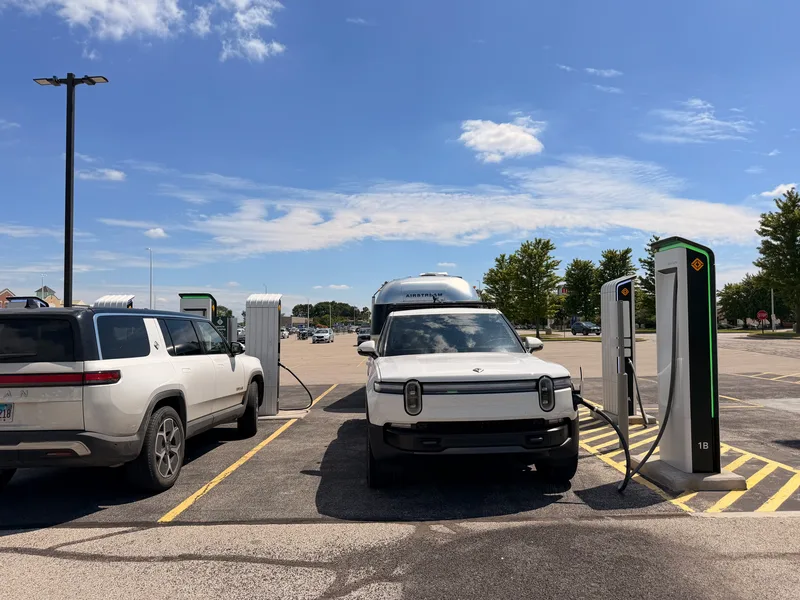
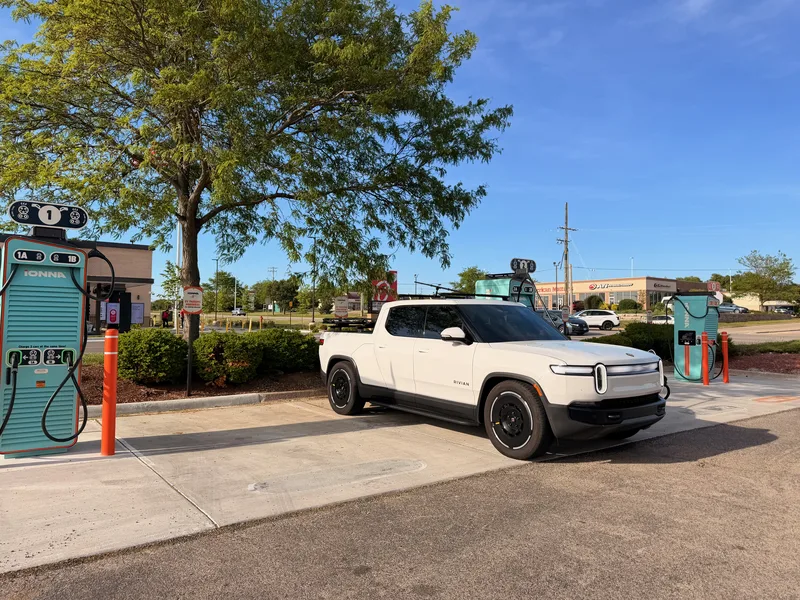
Rivian Adventure Network (free, 200 to 220 kW) wherever it reached the route, Tesla V4 Superchargers via the NACS adapter (148 to 325 kW), plus IONNA Rechargeries at Tucumcari and Fenton and one Electrify America stop in Erick, Oklahoma. Overnight campsite Level 2 covered a couple of legs (the Route 66 run from Oklahoma City to Tulsa, then Tulsa to northwest Arkansas) with no DC fast-charging at all.
How often did you stop to charge while towing?
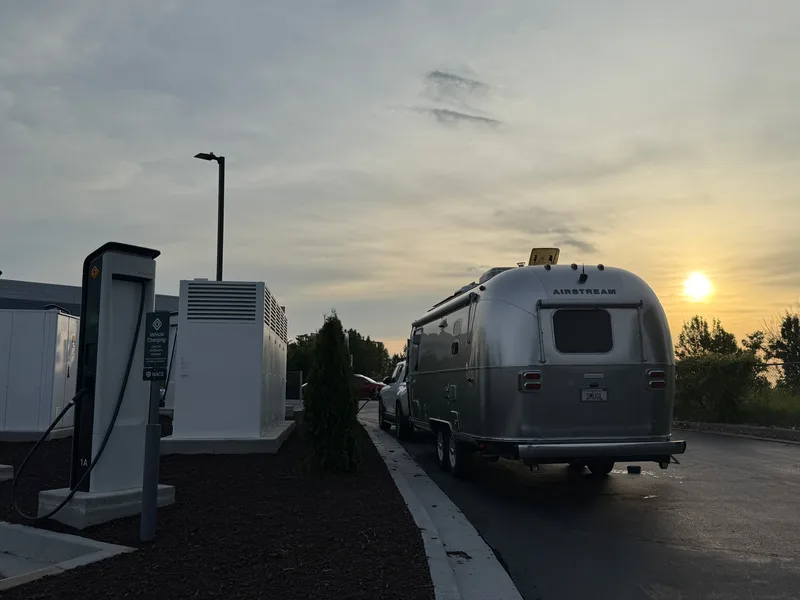
Every 100 to 120 miles. A normal day was three to five DC stops of 20 to 40 minutes each. We never unhitched the 23-foot Airstream to charge; pull-through and edge-of-lot stalls handled the trailer at every stop.
What is the full route, and how long does it take?
San Diego to Chicago and back, about 6,000 miles over 31 days: 18 days out across the I-8 and I-40 desert corridor through Arizona and New Mexico, then 13 days home north through Utah and Colorado over the Rockies. Every kilowatt-hour, charge stop, and campsite is logged day by day.
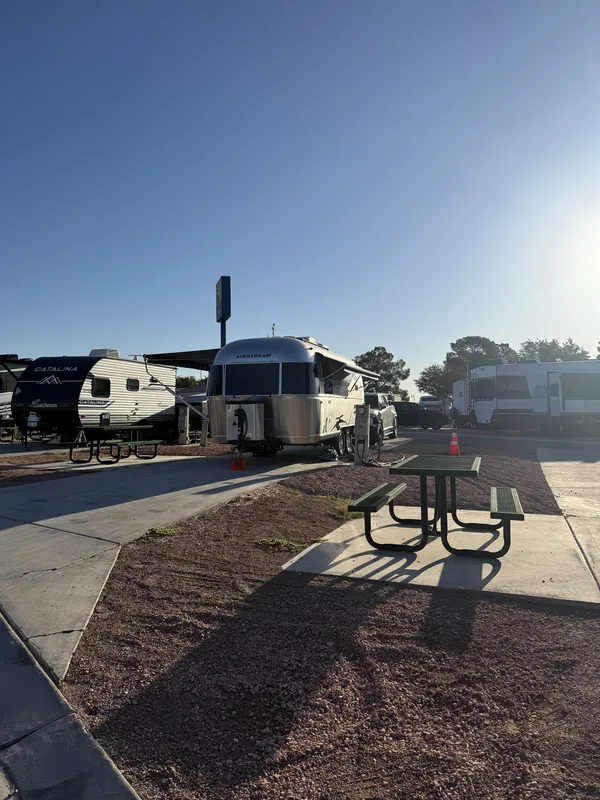
Where we slept
Campground log + ratings
Every campground this rig has parked at, scored out of 10, with what
we paid, the hookups, what's nearby, and whether it works for an
Airstream group. An honest record of every stop on the loop.
Thirteen days back: Iowa, then south onto Kansas's I-70 chalk
country (and two free Rivian charges), a concert in Denver, over the
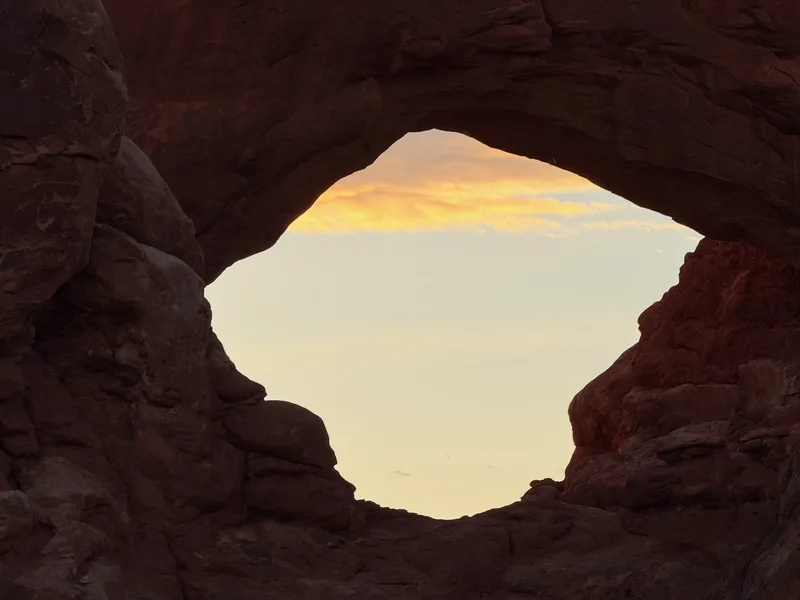
Rockies on I-70, then down through Moab, Capitol Reef, Bryce, and
Zion before the final Mojave crossing. Four more national parks and
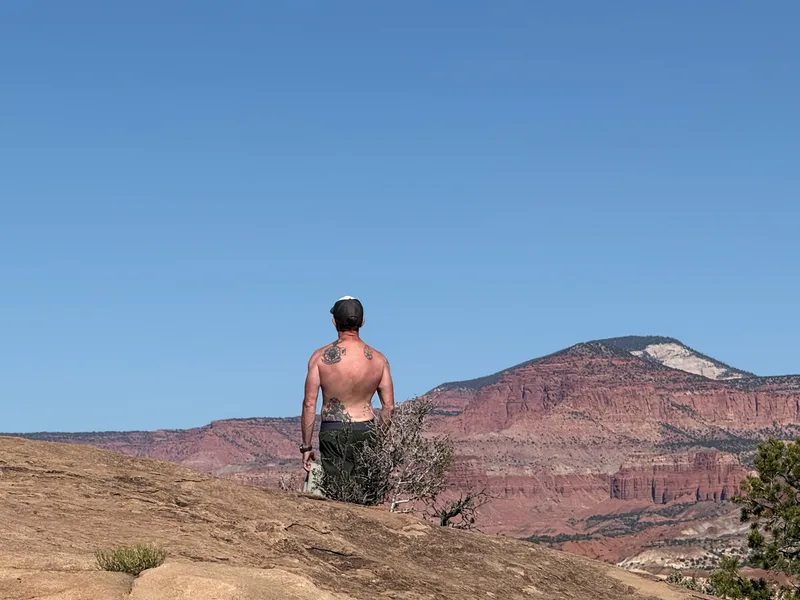
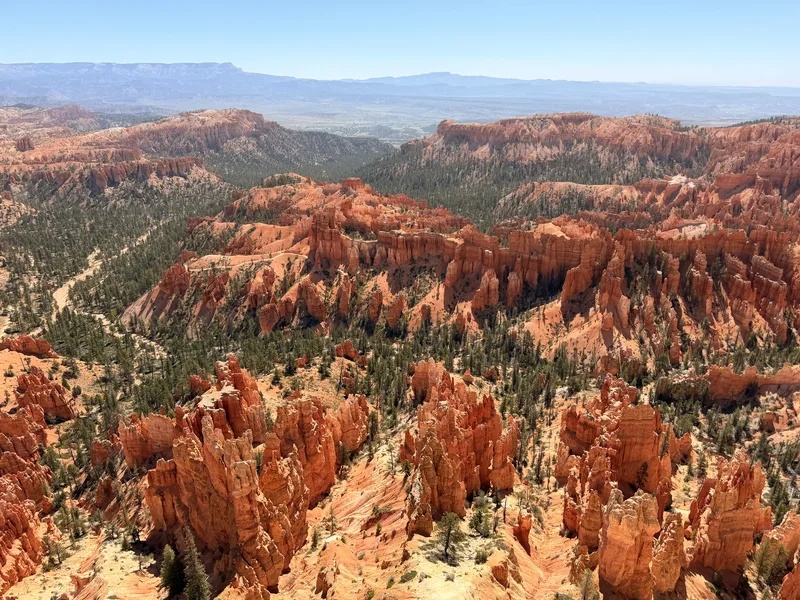
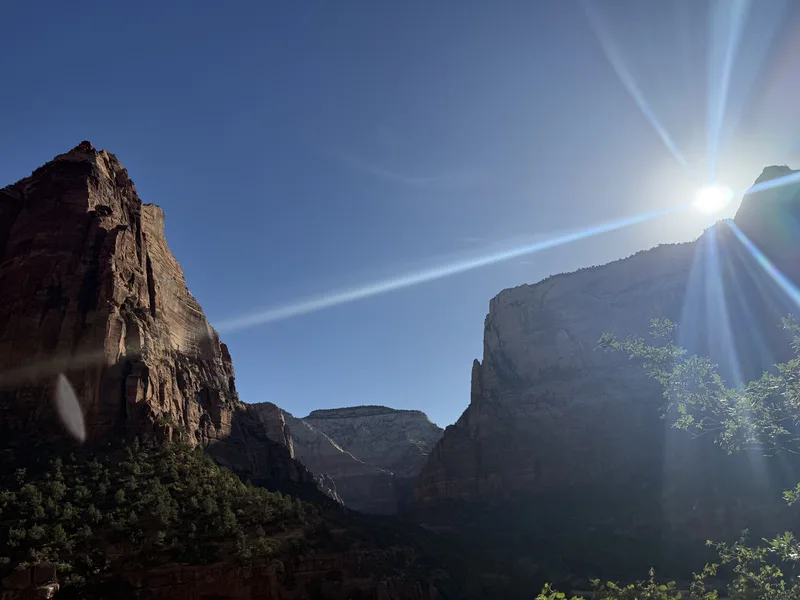
the famous Hogback knife-edge of SR-12.